

The Taj Mahal in Agra is the most famous building in India and one of the most recognisable monuments on Earth: a white marble mausoleum that Mughal emperor Shah Jahan built for his wife Mumtaz Mahal in the 17th century. A foreign visitor’s ticket costs Rs 1,100 (plus Rs 200 to enter the main tomb), the gates open 30 minutes before sunrise, and the cool, clear months from October to March are the best time to go. Here is how to plan it from Amman or the Gulf.
Taj Mahal at a glance
| Where | On the south bank of the Yamuna River in Agra, Uttar Pradesh, about 230 km south-east of New Delhi |
| Built | 17th century, by Mughal emperor Shah Jahan; UNESCO World Heritage Site since 1983 |
| Opening hours | From 30 minutes before sunrise to 30 minutes before sunset; closed every Friday |
| Ticket (foreigners) | Rs 1,100, plus an optional Rs 200 for the main mausoleum; Rs 50 cheaper when booked online; free for children under 15 |
| SAARC and BIMSTEC citizens | Rs 540, plus Rs 200 for the main mausoleum |
| Time needed | 2 to 3 hours for the Taj; a full day with Agra Fort |
| Best season | October to March |
| Nearest major airport | Delhi Indira Gandhi International (DEL) |
Why the Taj Mahal is a must-see
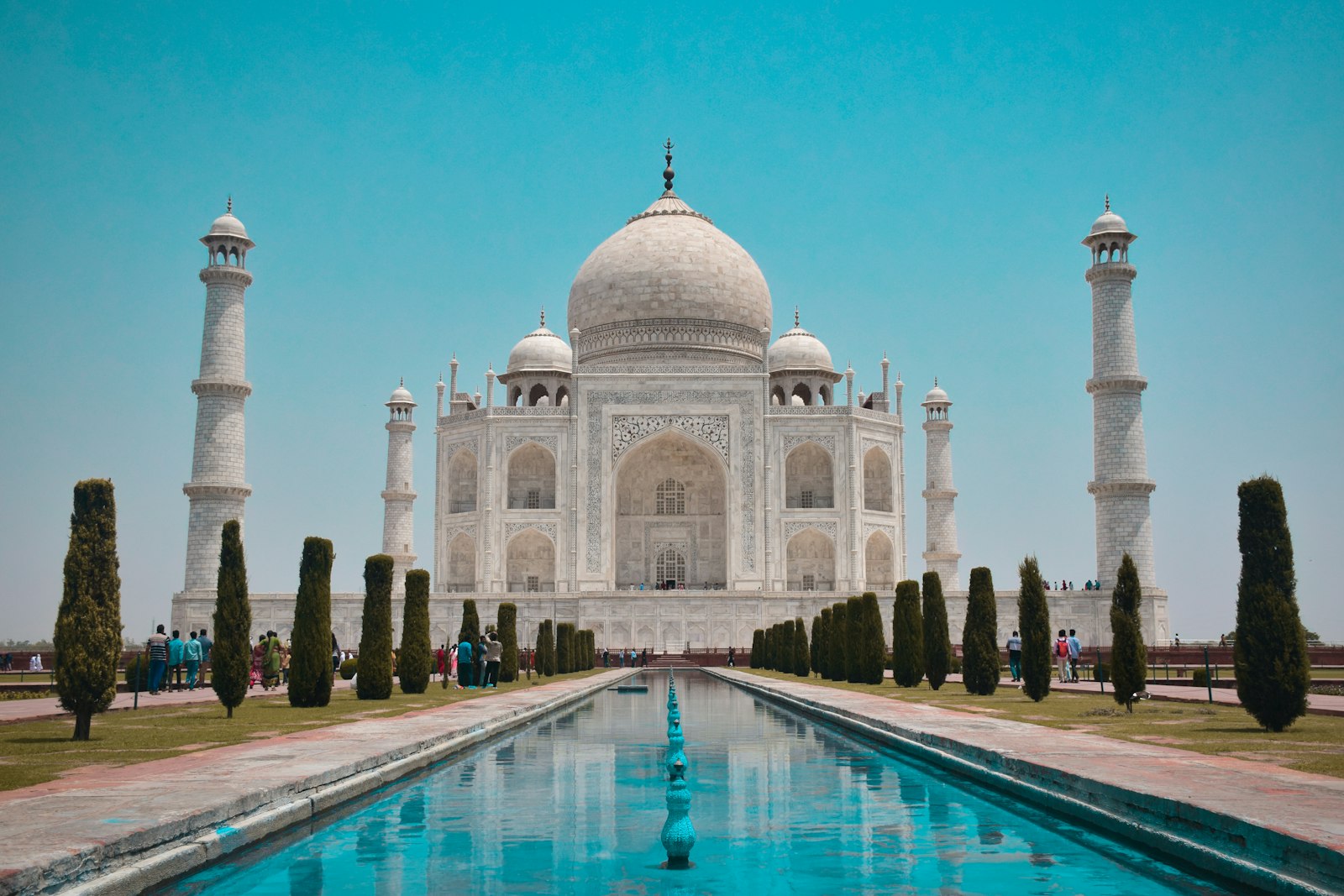
Photographs do not prepare you for the scale or the detail. The tomb sits on a raised marble platform at the end of a long Mughal garden, framed by four minarets and flanked by two red sandstone buildings: a working mosque on the west side and a matching “answer” building on the east for symmetry. Up close, the white marble is covered with Quranic calligraphy and inlaid with semi-precious stones in floral patterns, a technique known as pietra dura. The colour of the stone shifts through the day, from pink at dawn to bright white at noon and gold in the late afternoon.
It is also a love story in stone. Shah Jahan built it as a tomb for Mumtaz Mahal, and he was later buried beside her.
Delhi is the gateway to the Taj Mahal, with one-stop connections from Amman through the big Gulf hubs. Compare fares and find the cheapest dates for your trip to India.
How to visit
Buy your ticket online through the official Archaeological Survey of India (ASI) booking site to save Rs 50 and skip the counter queue, or buy it at the ticket offices at the Western and Eastern gates. Counters open one hour before sunrise and close 45 minutes before sunset. The Southern gate is for exit only.
No polluting vehicles are allowed within 500 metres of the monument. Cars and coaches park at Shilpgram (for the East gate) or Amrood ka Teela (for the West gate), and battery buses or golf carts take you to the entrance. The foreigner ticket includes this ride, plus shoe covers for the marble platform, a half-litre bottle of water and a map of Agra.
Security is airport-style, so travel light. Food, tobacco, knives, chargers, headphones and other electrical items (apart from cameras) are not allowed, and tripods and drones are banned. Photography is not permitted inside the main mausoleum.
Night viewing: on the full moon night and two nights either side (except Fridays and during Ramadan), the Taj opens from 20:00 to midnight in eight 30-minute slots of up to 50 people. Tickets cost Rs 750 for foreign adults, go on sale online seven days ahead and sell out fast. Report to Shilpgram 30 minutes before your slot with your ID. Mobile phones are not allowed at night, but still cameras are.
What to see
The Great Gate: walk through the tall red sandstone gateway and the dome appears framed in its arch. This is the moment most people remember.
The garden and water channels: the charbagh garden is divided into four parts by raised walkways and channels. The central pool gives the famous reflection shot; arrive at opening time for the fewest people.
The mausoleum: inside, a carved marble screen surrounds the cenotaphs of Mumtaz Mahal and Shah Jahan. The actual graves lie in a crypt below.
The mosque and the riverside terrace: the mosque on the west side is still used for Friday prayers, which is why the site is closed to tourists that day. From the back terrace you can look across the Yamuna to the Mehtab Bagh garden.
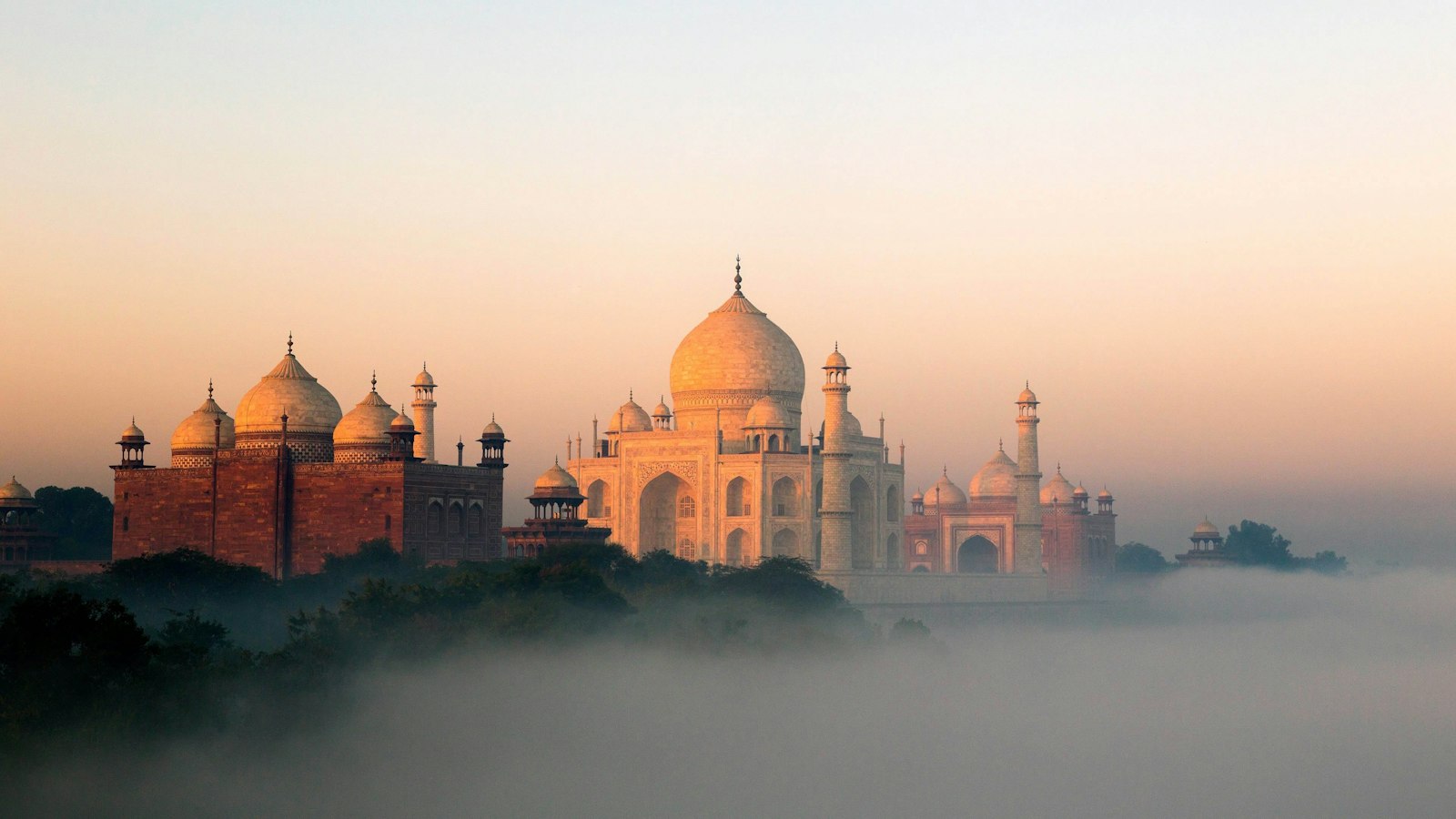
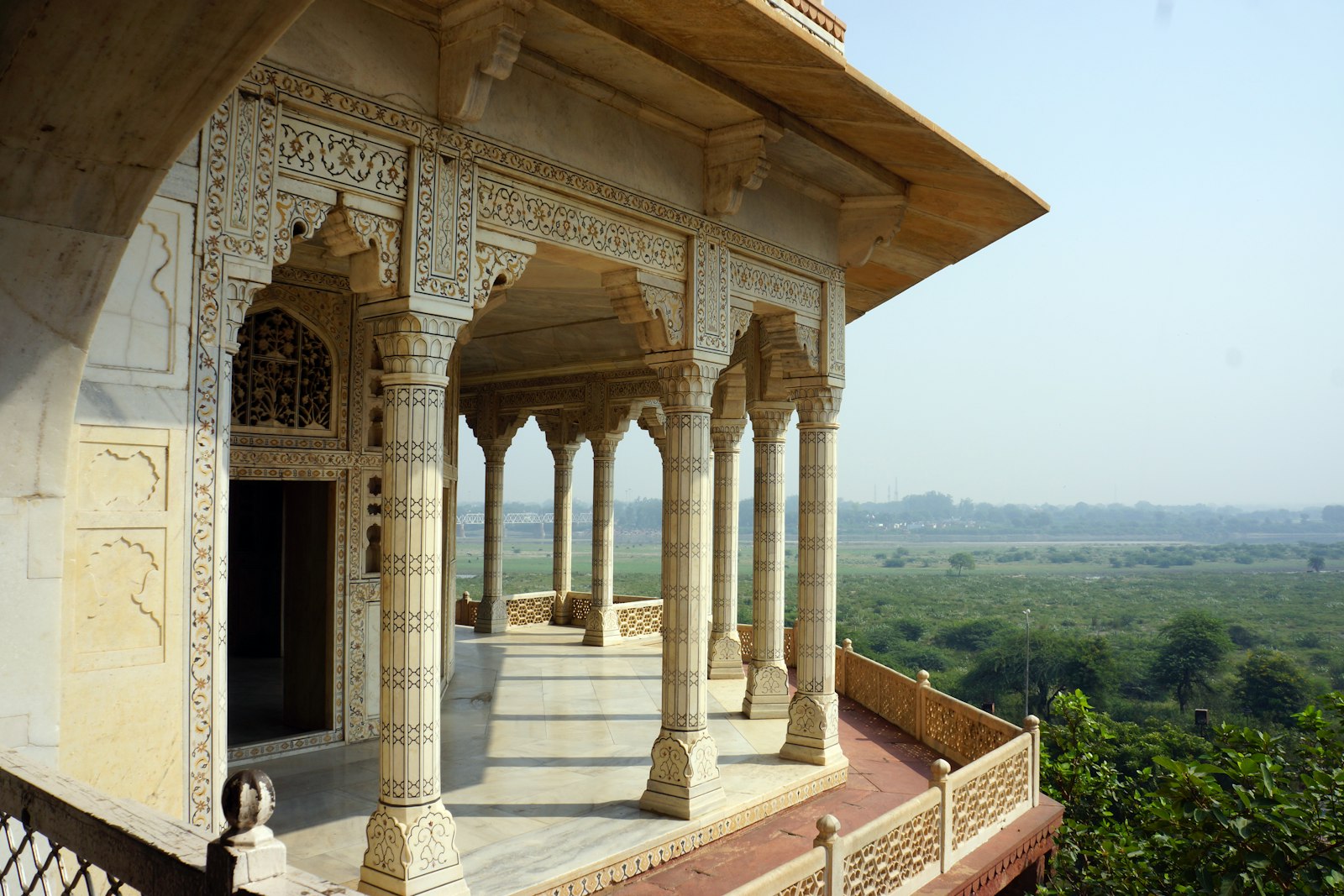
Beyond the Taj: Agra Fort, another UNESCO site about 2.5 km up the river, is the red sandstone citadel where Shah Jahan spent his last years looking out at the Taj. The tomb of Itimad-ud-Daulah, often called the “Baby Taj”, is a smaller marble jewel on the opposite bank. Mehtab Bagh, directly across the river, is the classic sunset viewpoint. With an extra day, the abandoned Mughal city of Fatehpur Sikri lies about 40 km west of Agra.
Best time to visit
October to March is the most comfortable season, with dry, sunny days and cool nights. December and January bring the famous misty sunrises, but also cold mornings, fog that can delay trains and flights, and periods of poor air quality across northern India, so keep your schedule flexible. April to June is very hot, and the monsoon months of July to September are humid and wet, though the gardens are green.
Whatever the season, go at sunrise on a weekday for softer light and smaller crowds, and remember that the Taj is closed every Friday. Weekends and Indian holidays are busiest.
Getting there from Amman and the Gulf
Fly to Delhi (DEL), then continue to Agra by road or rail. From Amman, the easiest options are one-stop itineraries on Emirates via Dubai, Qatar Airways via Doha or Etihad via Abu Dhabi. Royal Jordanian has also announced nonstop Amman–Delhi flights, so check whether they are operating on your dates. If you connect through Abu Dhabi, our Sheikh Zayed Grand Mosque guide is a good way to use a long layover.
From the Gulf, Delhi has frequent nonstop flights from Dubai, Abu Dhabi and Doha on both Gulf airlines and Indian carriers such as Air India and IndiGo. Because of the security situation in parts of the Gulf in late 2026, some routes have seen schedule changes and cancellations, so check your flight status shortly before you travel.
Delhi to Agra: the Gatimaan Express runs from Hazrat Nizamuddin station in Delhi to Agra Cantt six days a week (not on Fridays, which suits the Taj’s closing day) and takes about two hours. By car, the Yamuna Expressway takes roughly three to four hours. Staying one night lets you catch sunrise at the Taj.
Planning a bigger India trip or a Gulf stopover on the way? Search hundreds of airlines and compare prices in one place.
Entry rules for Jordanians
Jordanian citizens need a visa for India and can apply for the e-Tourist Visa online. Use only the official Government of India portal, indianvisaonline.gov.in, because many look-alike sites charge extra fees. The e-Tourist Visa comes in 30-day, one-year and five-year versions.
- Apply at least four days before your arrival date.
- Your passport needs at least six months of validity and two blank pages.
- Upload a recent front-facing photo with a white background and the photo page of your passport.
- Print your electronic travel authorisation and show it on arrival; your fingerprints and photo are taken at immigration.
- India also asks foreign visitors to fill in an online e-Arrival card within 72 hours before landing.
Fees vary by nationality and season, so check the amount on the portal.
Where to stay
Taj Ganj: budget guesthouses and small hotels in the lanes beside the gates, many with rooftop cafés facing the dome.
Fatehabad Road: a few minutes’ drive away, with most of the chain and mid-range hotels.
Luxury with a view: a handful of top-end hotels near the East gate, such as The Oberoi Amarvilas, have rooms looking straight at the Taj.
FAQ
How much is a Taj Mahal ticket for foreigners?
The entry ticket for foreign tourists is Rs 1,100, and entering the main mausoleum costs an extra Rs 200. Booking online saves Rs 50, and children under 15 go in free.
Is the Taj Mahal open on Fridays?
No. The Taj Mahal is closed to tourists every Friday because the mosque on site is used for Friday prayers. It is open every other day from 30 minutes before sunrise to 30 minutes before sunset.
Can you visit the Taj Mahal at night?
Yes, on the full moon night and two nights before and after, except Fridays and during Ramadan. There are eight 30-minute slots between 20:00 and midnight, and tickets cost Rs 750 for foreign adults.
Do Jordanians need a visa for India?
Yes. Jordanian citizens can apply for an Indian e-Tourist Visa on the official portal indianvisaonline.gov.in at least four days before arrival, with a passport valid for at least six months.
How do I get from Delhi to Agra?
The Gatimaan Express train from Hazrat Nizamuddin to Agra Cantt takes about two hours and runs every day except Friday. By car, the Yamuna Expressway takes roughly three to four hours.
Prices and opening hours were checked in November 2026 and can change. Always confirm before you travel.
Flixways may earn a commission when you book through links on this page, at no extra cost to you.

Comment (0)